
Office work environments are often perceived as relatively safe and comfortable. However, some subtle but significant health risks can arise if the workstation design is not appropriate. Among these risks, ergonomic injuries—also known as musculoskeletal disorders—are increasingly common and a cause for concern.
Understanding the nature of these injuries and how to prevent them is essential for both employees and employers. Let's take a closer look at what ergonomic injuries are, how they occur, and what effective strategies can be implemented to prevent them. After all, a healthy workplace is not only more comfortable, but also more productive.
What is an Ergonomic Injury?
Ergonomic injuries are physical conditions that result from overexertion or repeated use of certain muscles, tendons, and nerves, particularly due to repetitive actions. These injuries are common in offices, where employees perform similar tasks or adopt the same posture for long periods of time.
Among the most common ergonomic injuries are carpal tunnel syndrome, which results from pressure on the median nerve in the wrist, as well as back and neck pain, often due to poor posture or unsuitable office chairs. Tendonitis, an inflammation of the tendons due to repetitive movements or overuse, is also common.
Studies show that ergonomic injuries account for approximately one-third of all workplace injuries. These conditions can have serious consequences, affecting individual productivity as well as overall work efficiency. They can lead to chronic pain, decreased performance, and even disability in severe cases.
Ergonomic injuries don't happen overnight; they develop slowly, often due to poor work habits or a poorly designed environment. The key to avoiding these injuries is understanding their nature and preventing them before they become a major problem.
Common Ergonomic Injuries
Here are some of the most common ergonomic injuries in the office environment:
-
Carpal tunnel syndrome : This disorder occurs when the median nerve in the wrist is compressed, often due to excessive keyboard or mouse use. Symptoms include numbness, tingling, and weakness in the hands.
-
Tendonitis : This is caused by inflammation of the tendons that attach muscles to bones. It can be caused by repetitive movements, awkward postures, or excessive strain.
-
Lower back pain : Sitting too long in an ill-fitting chair or without good lumbar support can cause lower back pain.
-
Neck strain : This usually results from a poorly positioned screen, forcing workers to tilt their heads to see their computer properly.
-
Lateral epicondylitis (tennis elbow) : Although often associated with sports, this condition can also affect office workers, especially those who frequently use a mouse or make repetitive wrist movements.
-
Thoracic outlet syndrome : This is a group of disorders caused by compression of nerves or blood vessels between the collarbone and the first rib, resulting in pain in the shoulders and neck.
-
Bursitis : Inflammation of the bursae, small sacs of fluid that act as cushions between tendons and bones, often affecting the shoulders, elbows or hips of office workers.
-
Vision Problems : While not directly an ergonomic injury, poor screen position or distracting glare can lead to eye strain, headaches, and blurred vision.
These injuries often develop slowly, due to poor posture, repetitive movements, and poor office layout. Fortunately, many of these injuries can be prevented with simple adjustments and healthier work practices.
What Causes Ergonomic Injuries?
Ergonomic injuries are often the result of several factors combining in a work environment. Repetitive tasks, such as typing or using a mouse for long periods of time, put excessive stress on certain muscles and tendons, leading to injuries.
Additionally, improper posture, such as bending forward or twisting to reach an object, can lead to muscle strain and pain. Improper office furniture, such as a chair without adequate lumbar support or a desk that is too high or too low, also contributes to these injuries.
Office equipment, such as the desk, chair, keyboard, and mouse, plays a vital role in preventing or worsening ergonomic injuries. It is crucial to have furniture and accessories designed to support the body's natural posture and avoid awkward positions.
The Importance of Ergonomics in the Office
Ergonomics isn't just a buzzword—it's a key element in ensuring a productive and healthy work environment. By implementing ergonomic principles, companies can prevent employee injuries and improve their comfort.
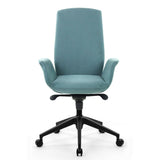
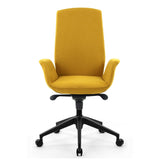
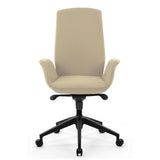
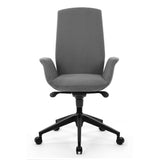
A well-designed office, taking ergonomic principles into account, can significantly improve comfort, reduce the risk of injury, and increase productivity. For example, a chair with good lumbar support and adjustable to the correct height helps maintain healthy posture and prevent back pain.
Positioning the screen at eye level and using a keyboard that respects the natural posture of the wrists also have a considerable impact on reducing physical pain.
Practical Steps to Prevent Ergonomic Injuries
Here are some simple steps you can take to prevent ergonomic injuries:
-
Create an ergonomic workspace : Adjust your chair so your feet are flat on the floor and your knees are slightly lower than your hips. Your screen should be at eye level and about an arm's length away. When typing, your wrists should be straight, and your elbows should be close to your body, forming a right angle.
-
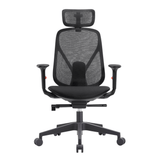
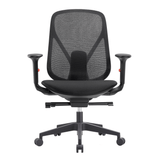
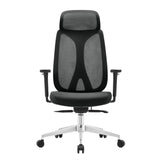
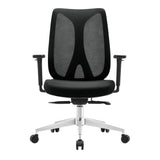
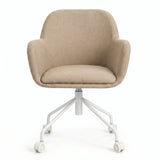
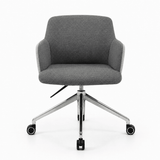
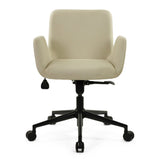
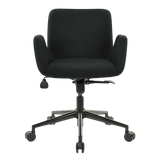
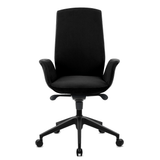
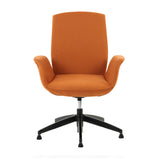
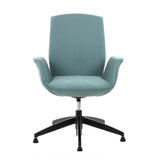
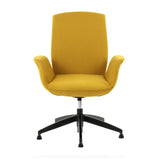
Choose the right office furniture : Investing in ergonomic furniture is essential to prevent injuries. Opt for chairs with good lumbar support and height adjustment, as well as accessories like keyboard rests or ergonomic mice.
-
Take regular breaks and move : Take 5- to 10-minute breaks every 30 minutes to stretch or go for a short walk. This helps relieve muscle tension and maintain blood circulation.
-
Adopt correct posture : Maintain a neutral body position with your back straight, shoulders relaxed, and arms close to your body. This reduces stress on muscles and joints.
-
Stretching exercises : Incorporating simple stretches into your workday can help prevent ergonomic injuries. For example, stretch your wrists, neck, and shoulders regularly.
Don't Work in Pain
Ergonomic injuries can affect employee health and productivity, but they are largely preventable through knowledge and preventive action. By adopting an ergonomic approach to your workstation, you can improve comfort, prevent injuries, and increase efficiency. Whether you're an employer or an employee, investing in ergonomics is a smart decision that will bring long-term benefits in health, comfort, and productivity.
Create a Healthy Workspace with Ergonomic Chairs and Desks from Lima Design
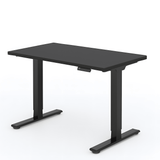
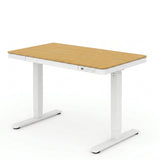
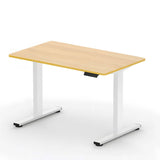
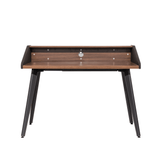
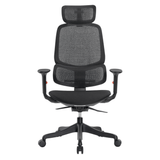
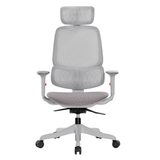
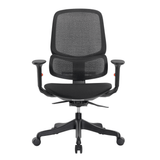
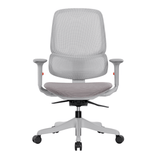
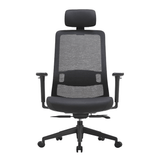
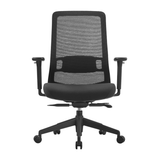
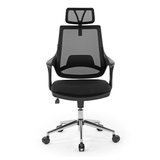
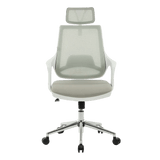
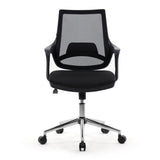
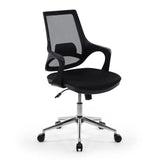
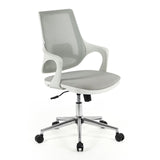
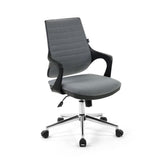
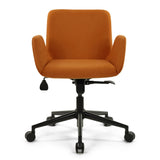
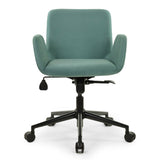
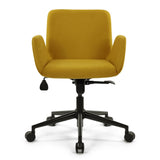
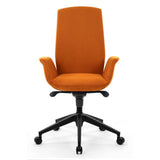
At Lima Design, we firmly believe that workplace well-being begins with quality furniture. That's why we offer ergonomic office chairs and ergonomic desks designed to promote healthy working conditions and improve posture. Our products are specially designed to support your body throughout the day, prevent musculoskeletal pain, and help you work in the best possible conditions.
In addition to our chairs and desks, we also offer a complete office design service , allowing you to create a working environment that promotes your comfort and productivity.
Don't let your office furniture affect your health. Discover our catalog now and create a workspace that lives up to your ambitions.